
Every summer, salmon head from the deep ocean back to the streams they were born. They run upstream—not to eat—but to spawn and die.
Before this trip, I didn’t know much about salmon. In all the years we’ve talked about coming to Alaska, everything has been planned around the salmon run. Our earliest conversations were a mix of me agreeing to a vacation in Alaska and Justin insisting it needed to be four weeks long. I didn’t understand why we couldn’t just spend a week here.
But over the years—talking, planning, deciding—I started to understand. And now, as we sit at the river, I get it.
We arrived on the Kenai Peninsula around July 8th. We claimed a site at a first-come, first-served campground right on the river. We’d done our research. For the past few years, we’ve tried to book a private fishing spot. They’re all full. For years.
We managed to secure one for August—but even that, I booked almost a year in advance. So, we were nervous about not having a firm reservation. We stalked this campground, paid for a site about a week early, then traveled to Homer and Seward before circling back. I’m so glad we did. By the time we returned, the campground was filling up. By the 15th, it was full.
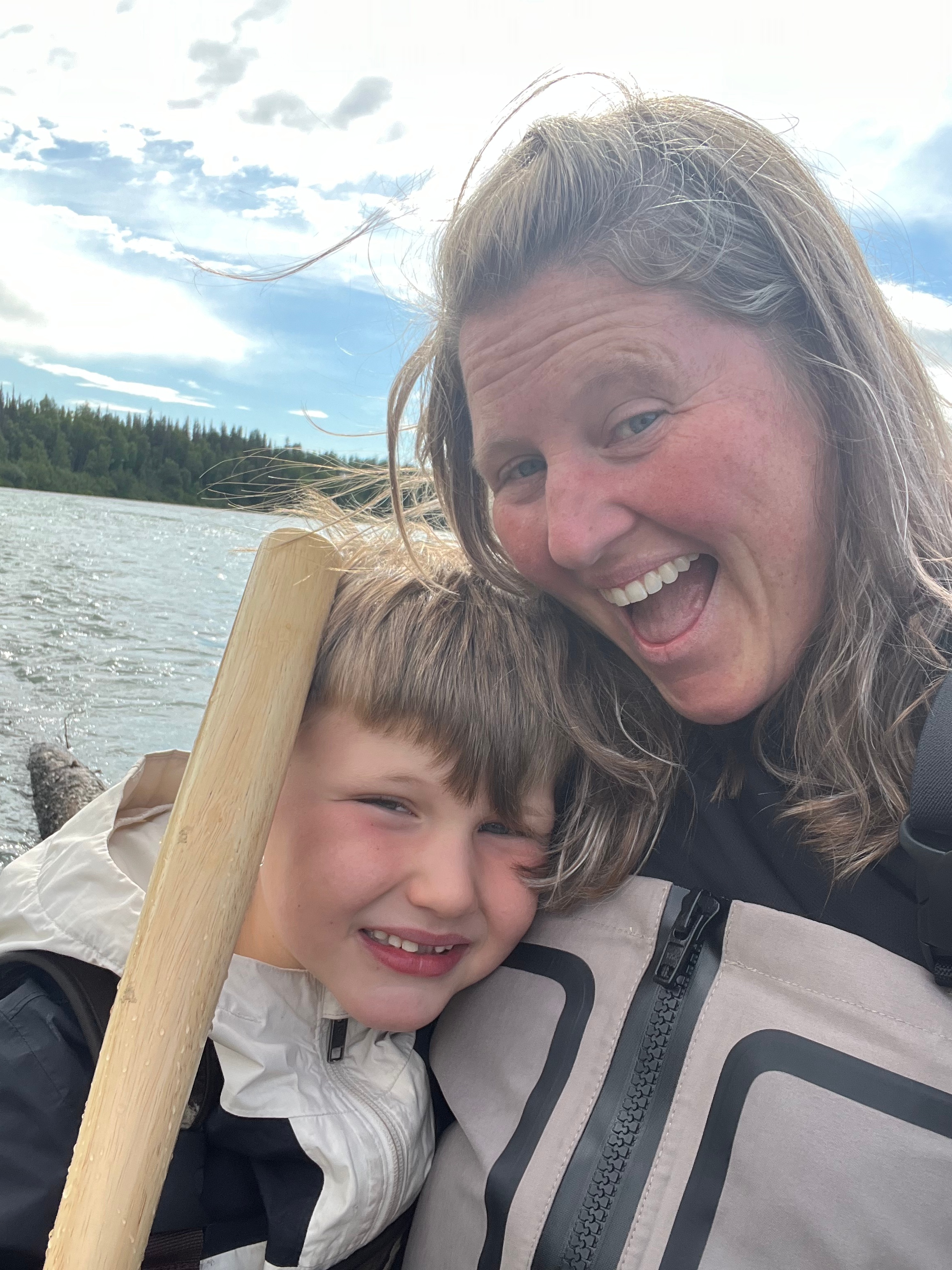
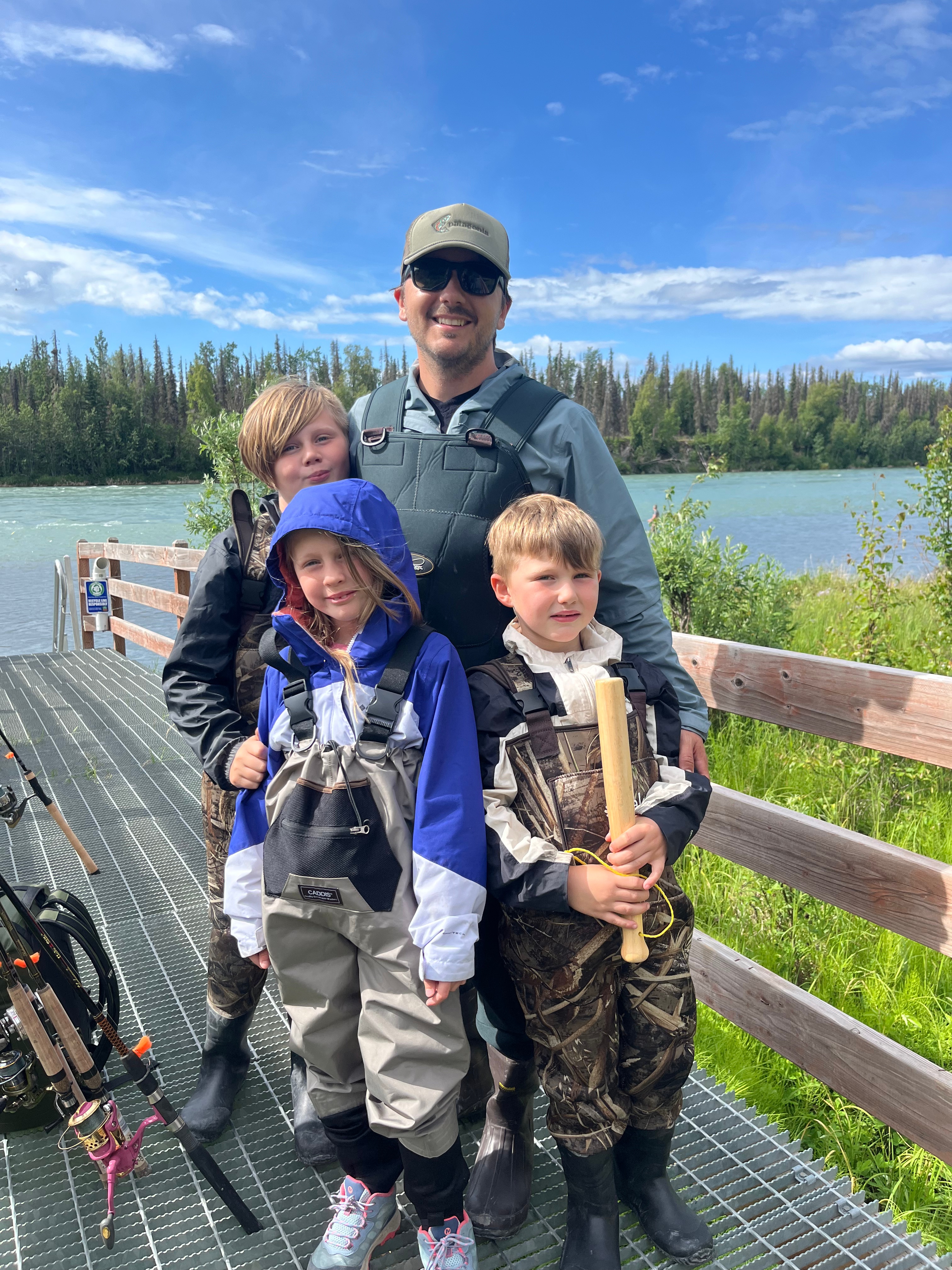
Two hundred and fifty sites packed with families, waders, rain tents, and fishing poles. It was unlike anything I’d ever experienced—almost like camping at a music festival… but replace the music with fish.
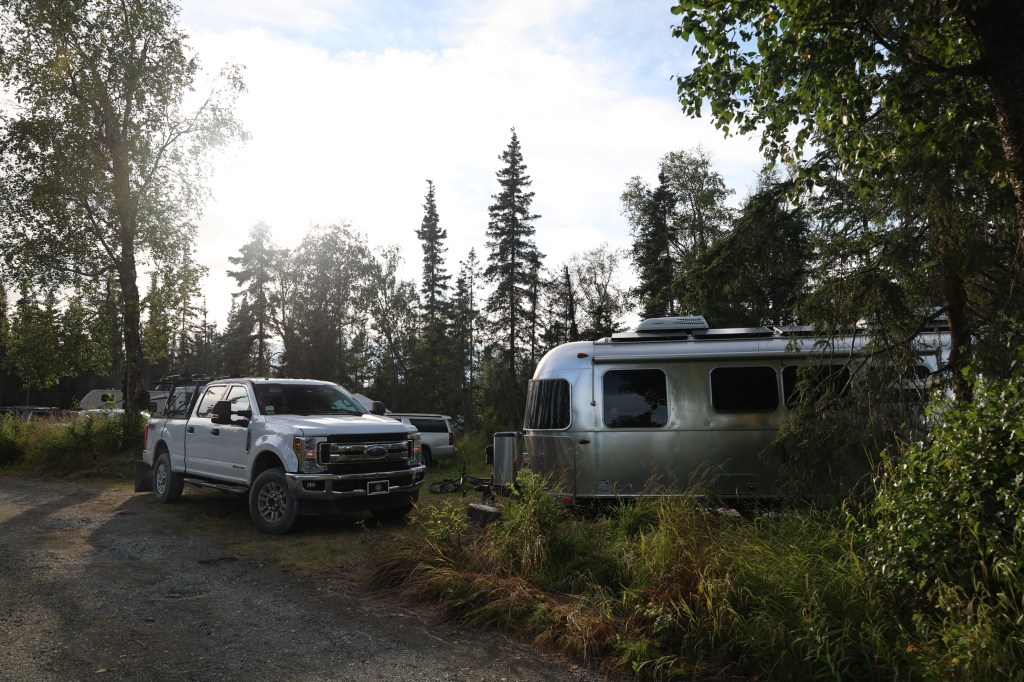
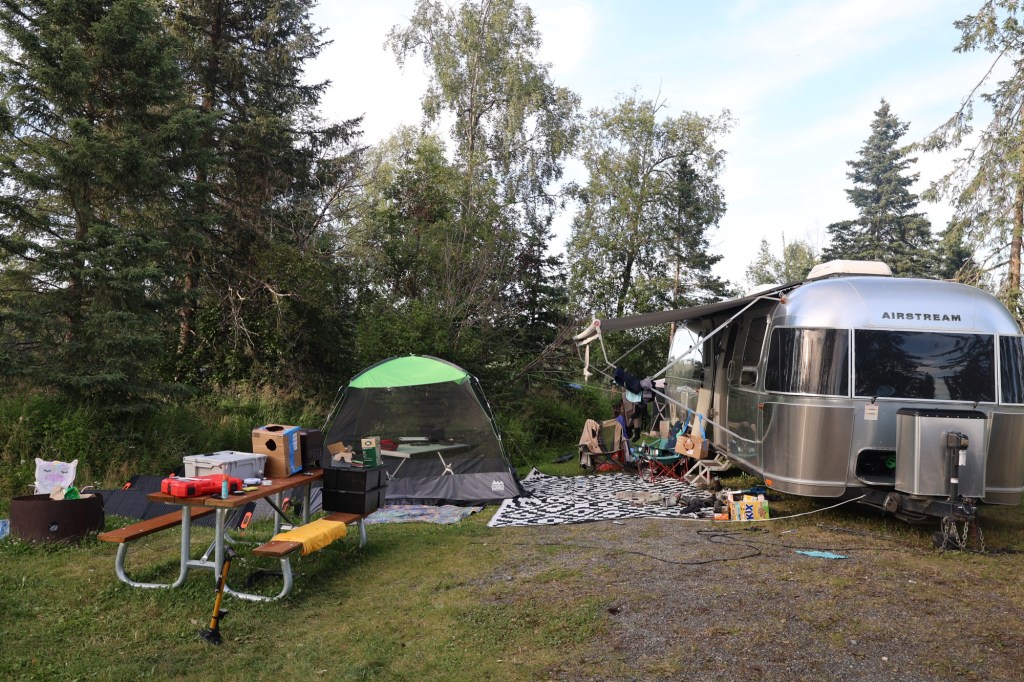
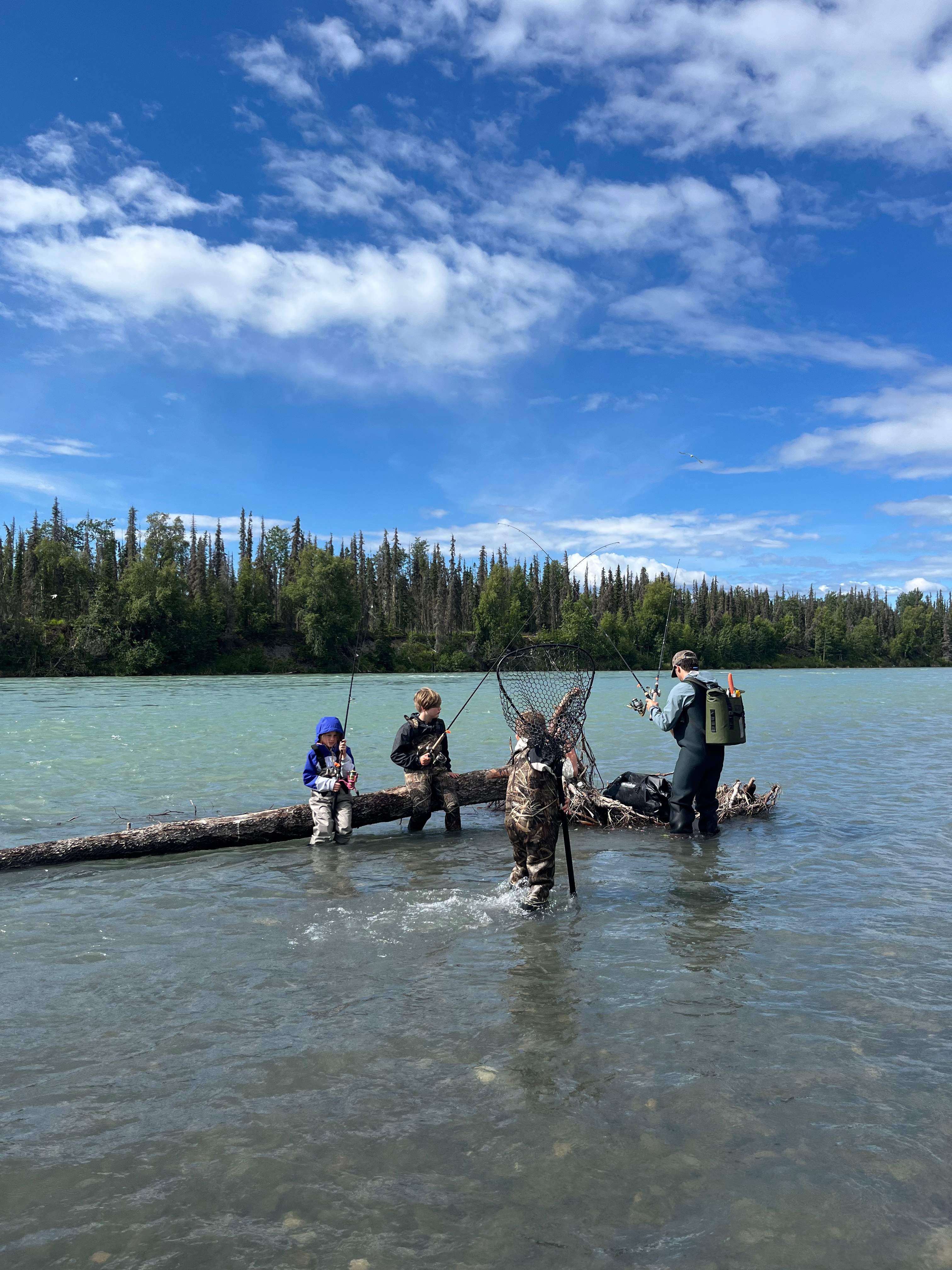
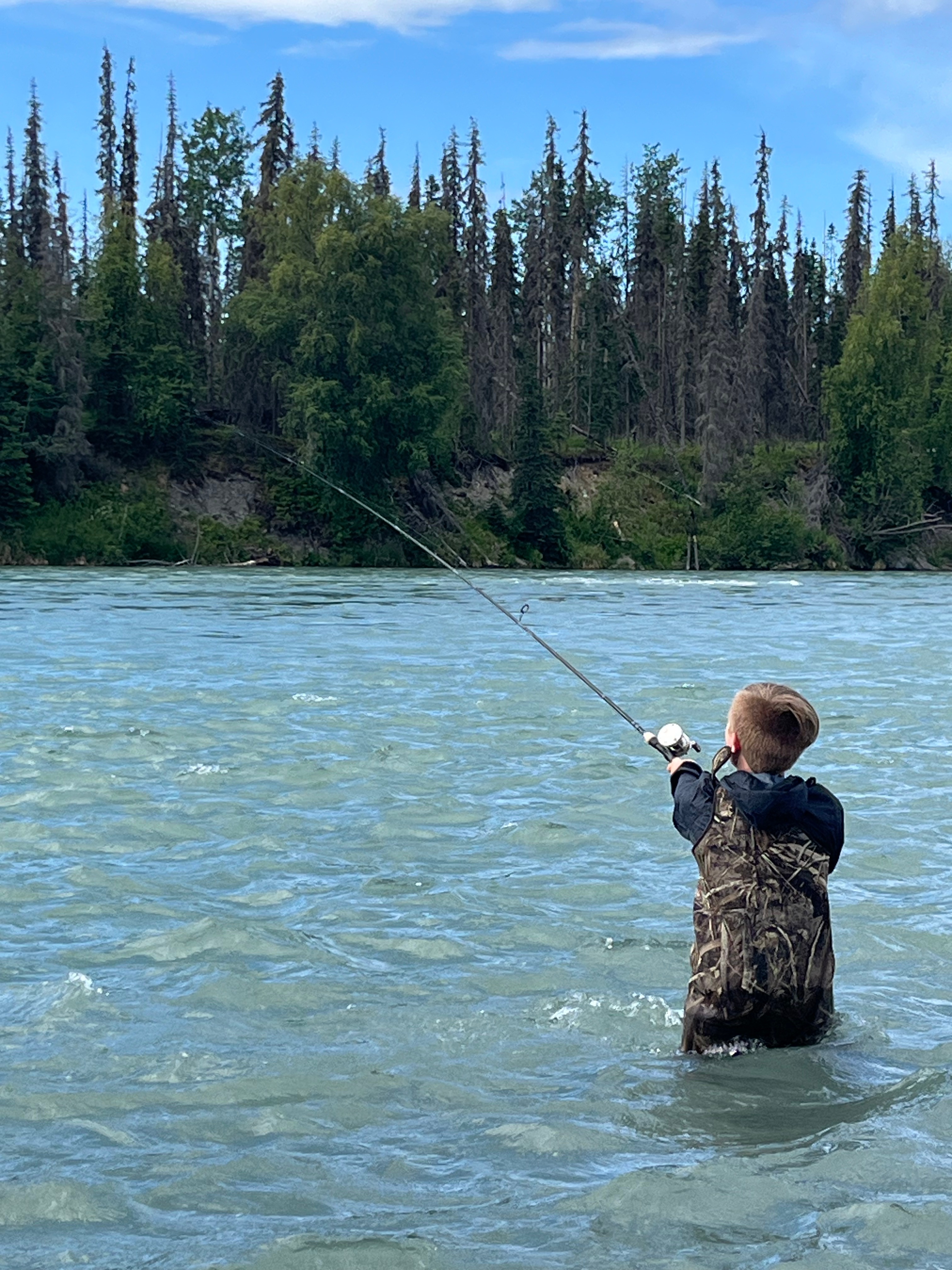
The first few days, we caught three to four salmon a day. Still finding our groove—figuring out spots, gear, lines. That felt like a win to me. I was focused on finding places where the kids could come and go, spots that felt convenient to our campsite.
But Justin had a different vision. He was on a mission to find the best hole in the river. And while he found a great one, the truth is—in just a few days—the entire river would be full of salmon.

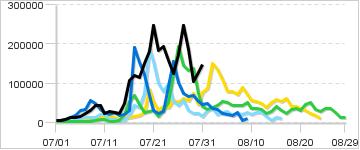
At the start of the run, salmon begin entering the mouth of the river in the thousands. The Alaska Department of Fish and Game sends out daily fish counts and tracks year-to-year trends. We’ve been watching that tracker for years to know when to come.
When we started on the 15th, the count was around 50,000. That felt big at the time. But that was nothing.
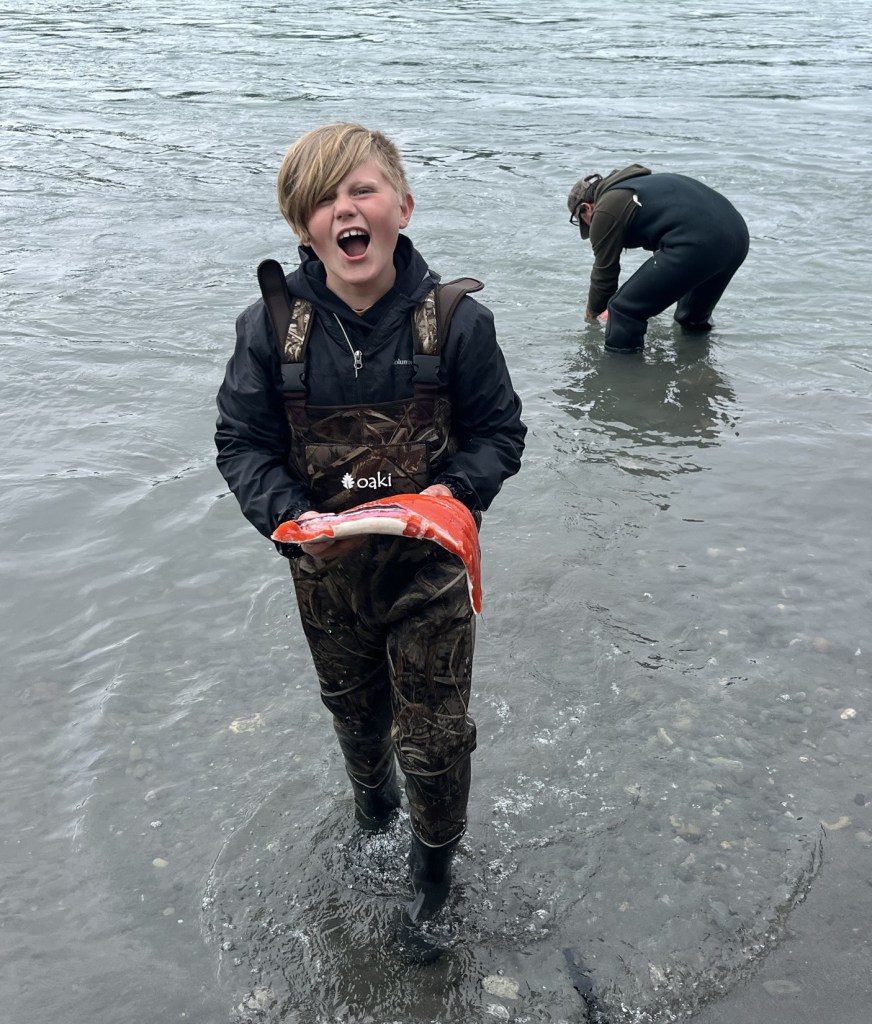
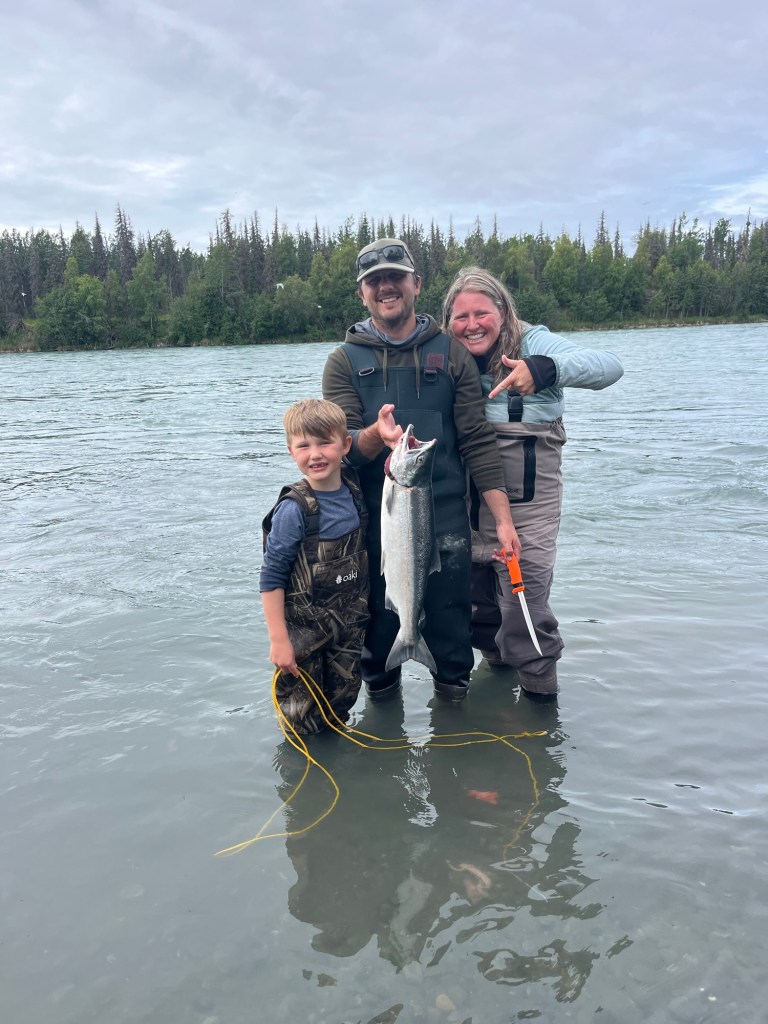
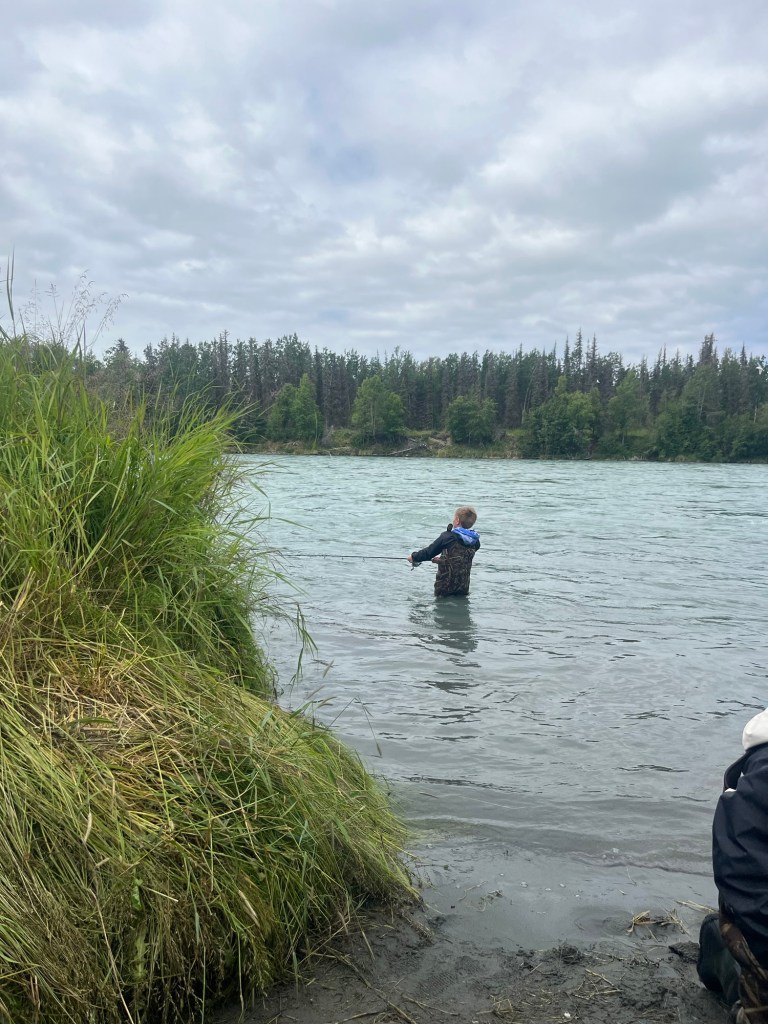
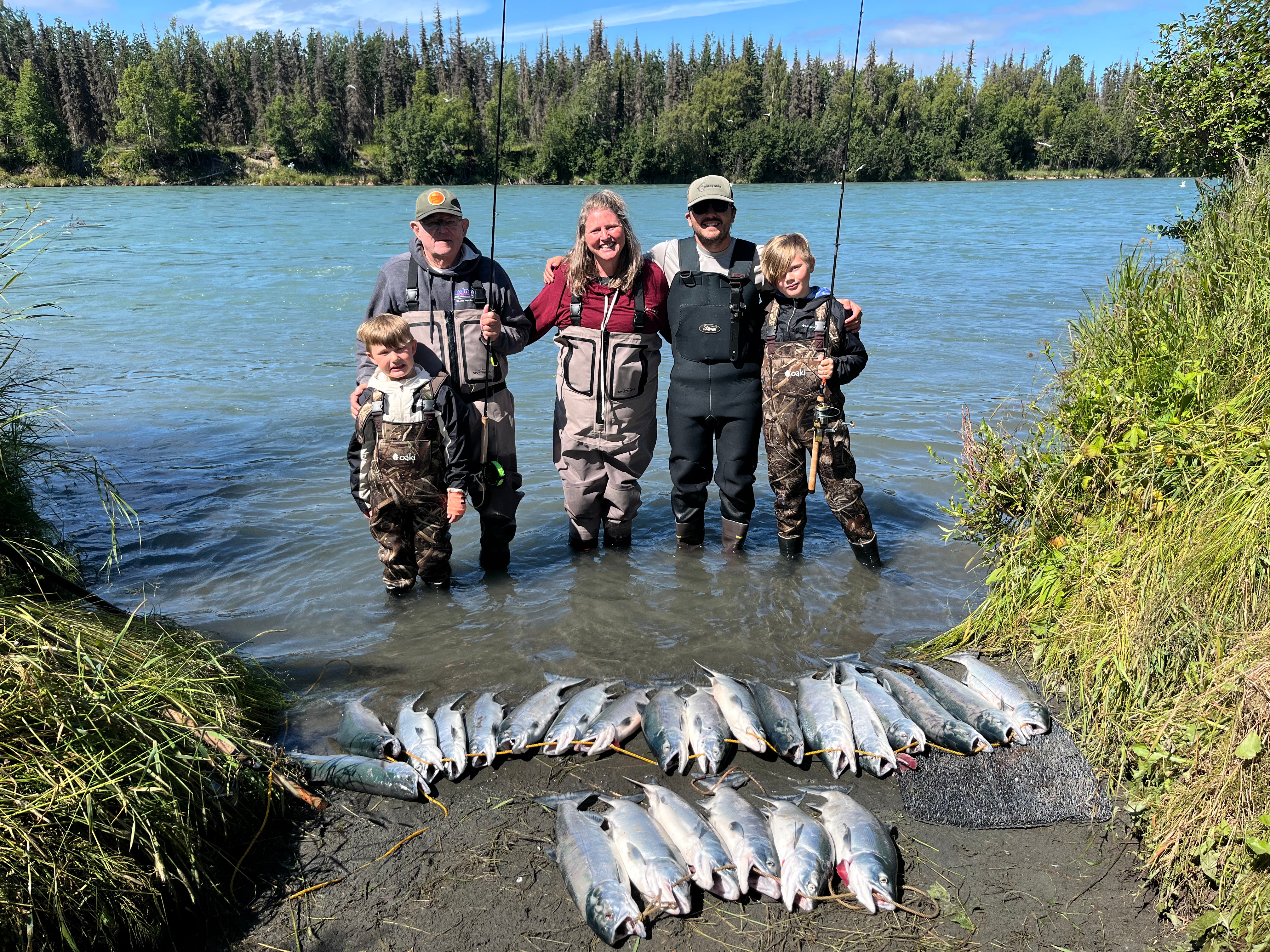
Each day we caught more and more. Depending on how many of us were fishing, we were hauling in between 12–36 salmon every time at the river.
What we didn’t know—what even the locals didn’t know—was that this year would be one for the record books. Historic numbers. Multiple days with over 250,000 salmon pushing through the mouth of the Kenai. The total is approaching 3 million… and the season isn’t over yet.
Our freezers are bursting and this shows why…..
Before this trip I barely knew the types the ofsalmon. Now, I at least know their names—and I know we’re here for Sockeye (Reds). King Salmon are off-limits on the Kenai due to dangerously low numbers, largely attributed to commercial fishing.
One rumor floating around town is that commercial boats were forced to back off from the mouth of the river this year—giving more salmon a chance to make it upriver. If that’s true, we’re certainly not complaining.
You might be wondering, Who needs so much salmon?
Most days now, I wake up asking the same thing. But when you plan your entire year around fishing the salmon run on the Kenai, it feels a little crazy to ask your husband and father-in-law to take the day off (they did take plenty of days offs on their own accord)
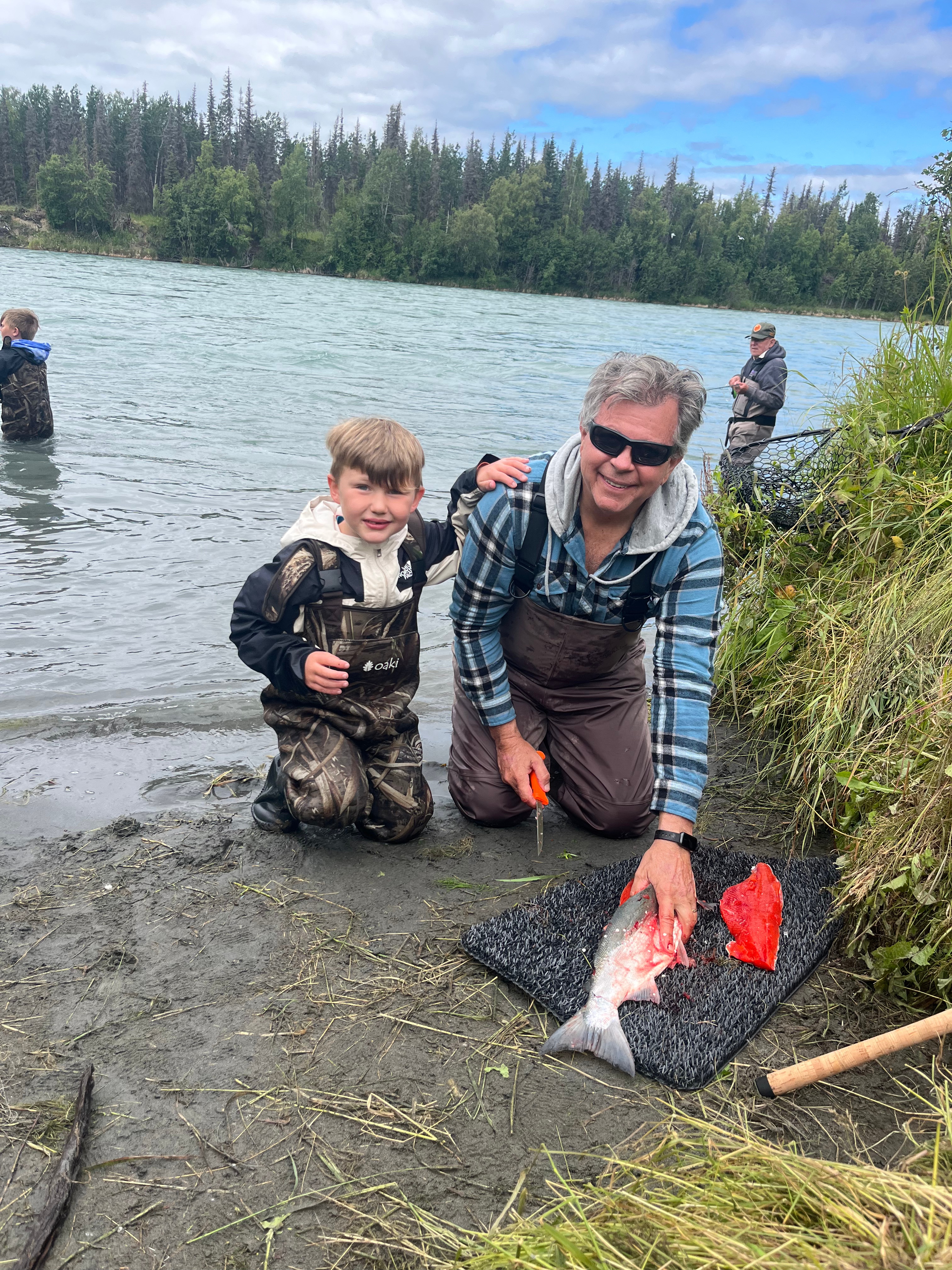
So we fish. We pack. We freeze. We ship.
And for a lucky few, fresh Alaskan salmon is flying across the country to your doorstep.
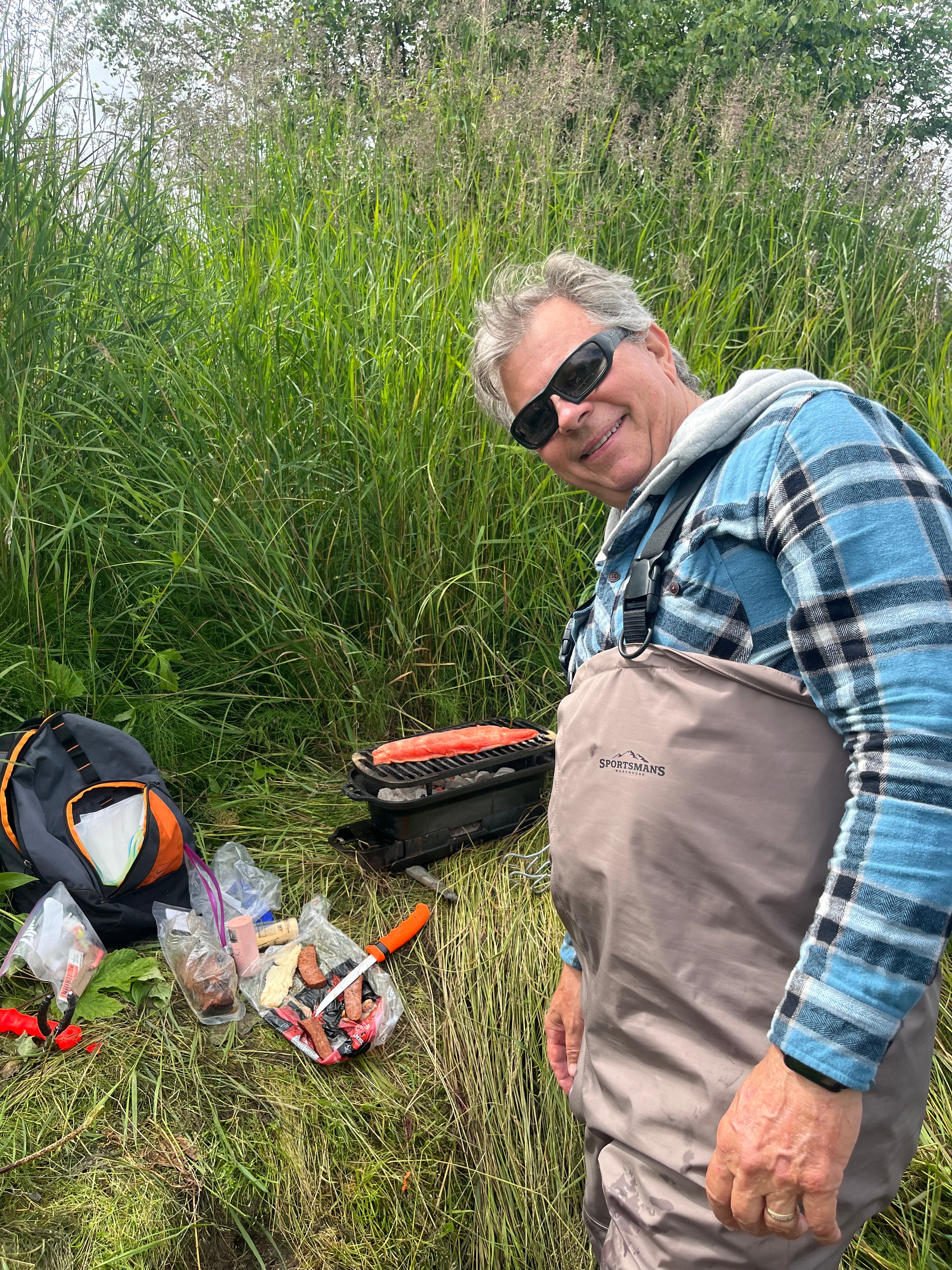
As for us—we’ve added a second deep freezer, a bigger vacuum sealer, two more coolers, and built a smoker.
Because we’re determined to keep fishing… until the last salmon stops running….. well not really- but we’ll take our time.
 Space Between